
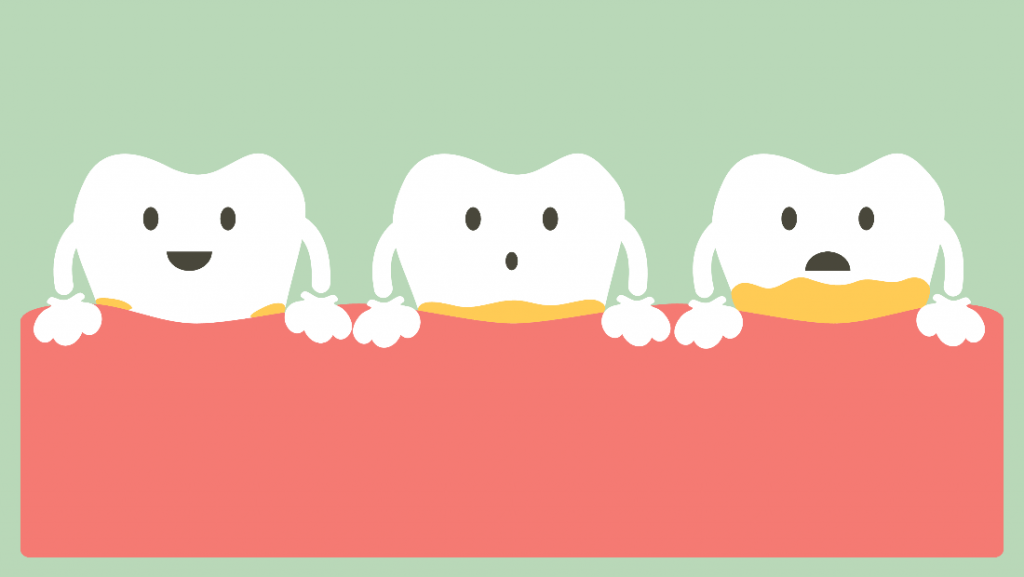
In our last blog “Tartar is not just a cosmetic problem” we wrote about how tartar forms. We also mentioned the types of tartar that exist depending on where they form. In this blog we will focus on tartar removal, why it is necessary and how often it should be done.
From the blog mentioned above, we know that tartar forms when plaque builds up and changes its composition. If you prevent plaque from forming, you will not have problems with tartar either. The most effective way to do this is good oral hygiene.
As we said, without plaque there is no tartar, and there is no plaque with thorough, good oral hygiene.
Tartar removal
Once plaque has hardened into tartar, you will need to book an appointment with your dentist. Unfortunately, you cannot remove tartar from your teeth yourself.

Why is tartar removal necessary?
Tartar is the leading cause of various oral diseases, such as:
- periodontitis
- bad breath
- the growth of bacteria that produce acids which can cause tooth decay
- bleeding gums
- toothache when eating or drinking hot or cold food and drinks
- gum recession (receding gums)
- it indirectly causes diseases of the mouth and throat such as stomatitis, tonsillitis, mouth sores etc.
- it damages enamel
That is why it is essential to remove tartar and have your teeth polished regularly to avoid the diseases mentioned above. Do not wait for tartar to form, because the appearance of tartar means your teeth are already damaged.

How often should tartar be removed?
How often tartar should be removed depends on your oral health and your dentist’s recommendations. Many dentists advise a dental cleaning and check-up every six months. In some cases, cleaning should be even more frequent:
- for people with a dry mouth, often caused by medication or ageing (saliva helps rinse away food debris)
- for people who are unable to brush their teeth thoroughly themselves
- for people prone to plaque and therefore tartar build-up
- for people who suffer from gum disease or are at increased risk of gum disease (smokers, diabetics)
We can conclude that the best way to prevent plaque, and therefore tartar, is good oral hygiene. Do not forget to visit your dentist every 6 months so that tartar can be spotted and cleaned in time. If you have any further questions on this topic, feel free to contact us.