
You have had a dental implant or several placed, and now you are wondering what to expect after the procedure and what you can and cannot do.
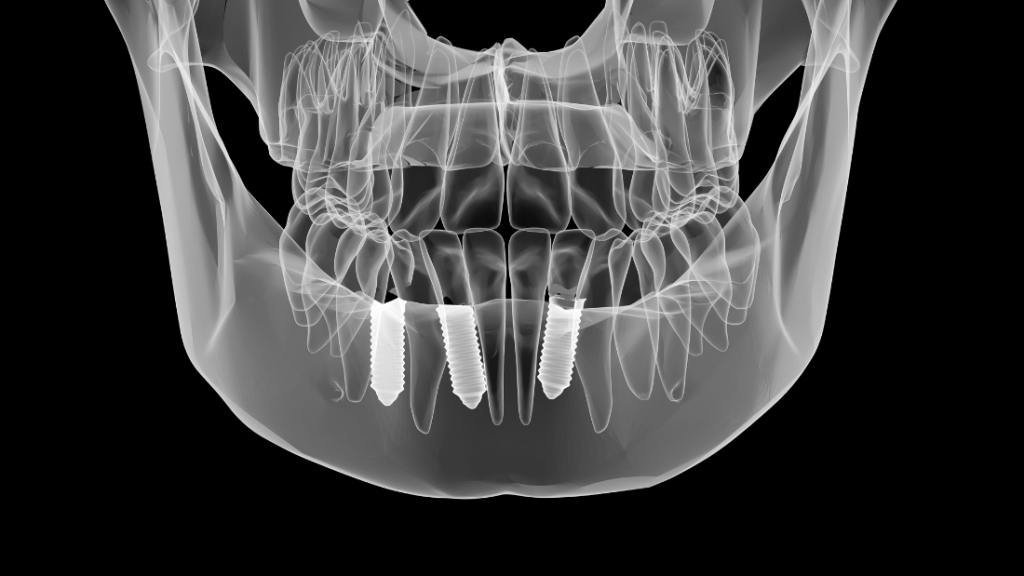
Dental implant placement is a big step towards restoring your smile and the function of your teeth. Implant placement is a surgical procedure that requires a certain amount of time to recover. In this article we explain in detail what you can expect after implant placement, how to deal with potential swelling and pain, and how to look after your implants properly during recovery.
Recovery after implant placement is a very important part of the whole process. If you are interested in the implant placement process, watch the video.
https://youtu.be/5Z9m6r35uSM
Implant placement: Find out how dentists carry out this procedure and how implants can improve the function and aesthetics of your smile.
The first few days after implant placement are crucial for a successful recovery. You may feel mild to moderate pain, which is normal and can be controlled with painkillers prescribed by your dentist. Swelling is also common, especially within the first 24 to 48 hours after the procedure. This can vary from person to person, but it is important to follow the instructions your doctor has given you to reduce discomfort and speed up recovery.
Post-operative recovery
Pain
After the procedure, once the anaesthetic wears off, in most cases patients feel mild discomfort in the area where the procedure was carried out. However, in the vast majority of cases there is no need to take any painkillers. A very small percentage of people need to take a painkiller, but only on the first day. After that first day, it is very rare for anyone to need to take anything for pain.
Swelling
Swelling will be present for the first two days after the procedure, but it should then gradually go down. It is recommended to put cold compresses on your face immediately after the procedure and to apply them as needed over the following few days. The size of the swelling will depend on the extent of the procedure and on how much you cool the area.
Bleeding
Bleeding usually stops very quickly, within a few hours of the procedure.
Experiences of recovery after implant placement
Many patients share positive experiences of recovery after implant placement, emphasising that the key to success is strict attention to oral hygiene and following all the instructions given by the dentist. Rinsing your mouth regularly with a mild antiseptic solution, brushing your teeth gently and avoiding heavy physical activity during the first week after the procedure can contribute significantly to a quick recovery

What to eat after implant placement
Diet after implant placement also plays an important role in recovery. It is recommended to eat soft food for the first few days to avoid putting extra pressure on the surgical area. Hard, crunchy and chewy food that could cause the stitches to tear should be avoided. It is also not recommended to have very hot food and drinks, and you are advised to drink plenty of fluids. Foods such as:
- Soups
- Mashed potatoes
- Yoghurt
- Soft fruit purées
Stitch removal after implant placement
Stitch removal is usually a simple and painless procedure carried out a few weeks after implant placement. It is important to visit your dentist for the scheduled check-up so that the condition of the implant can be checked and to make sure there are no complications.
Pain after implant placement
Pain after implant placement is normal and can usually be controlled with painkillers prescribed by your dentist. If you feel severe pain that does not ease despite medication, contact your dentist immediately, as this can be a sign of complications.
Tips for a successful recovery
Follow your dentist’s instructions
The instructions you receive, whether they relate to medication, hygiene or check-ups, are key to successful treatment and a faster recovery.
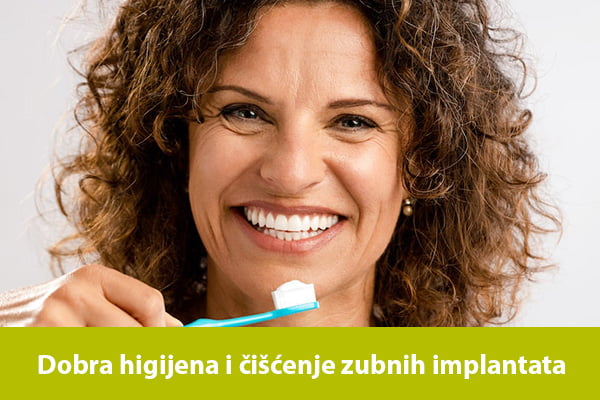
Maintaining oral hygiene
The most important part after the procedure is definitely maintaining oral hygiene. You are advised not to touch the area where the procedure was carried out with a toothbrush for a few days. Be sure to brush your other teeth and maintain oral hygiene.
If your dentist has recommended it, you can use mouthwash for a certain period. To make things easier for you, we have also put together a table with detailed instructions on looking after your implants:
| Activity / Habit | Frequency | Why it matters |
|---|---|---|
| Brushing teeth with a soft toothbrush | 2x a day | Removes plaque and prevents inflammation around the implant |
| Using interdental brushes and floss | 1x a day | Cleans spaces the toothbrush cannot reach |
| Professional cleaning at the dentist | Every 6 months | Detects and prevents early signs of peri-implantitis |
| Check-ups | 2x a year | Monitoring implant stability and gum health |
| Avoiding smoking | Always | Smoking reduces blood flow and increases the risk of complications |
| Wearing a splint if you grind your teeth | At night | Protects implants and crowns from excessive load |
Avoid heavy physical activity
Rest during the first week and avoid exertion.
Drink plenty of fluids
Keep your body hydrated to support a faster recovery.
Adjust your diet
Eat soft and easily digestible foods.
The impact of bad habits on your implant
Smoking is not recommended before and for a week after surgery, as it can prolong healing time and cause complications. The same applies to drinking alcohol, especially as you will most likely be prescribed antibiotics after the procedure.
Follow any additional instructions you receive from your dentist so that the result of your implant placement is as good as possible and to avoid unwanted complications. If you have not had an implant placed yet and want to know whether it is a good choice for you, read our blog about the options for replacing teeth with implants and about the success rate of implant therapy.
Recommended reading: