

When we talk to friends or acquaintances about anything to do with teeth, in almost 90% of cases you will hear that they are planning to visit the “dental practitioner” (zubar). But every now and then you will hear someone say that they have an excellent dentist (stomatolog) who has solved all their dental problems. Then you meet a third person who says they have been seeing an orthodontist for months because they are having their teeth straightened.
And then you ask yourself, do I need a dentist, a dental practitioner or an orthodontist, or are these just different names for the same doctor who fixes teeth? The answer is no. These are three different professions that do different work in the field of dental medicine, although many of us think that dentist, dental practitioner and orthodontist are all one person whom people simply call by different names.
Who is a dental practitioner and who is a dentist?
Dental practitioner (zubar) is the most common term we use in everyday conversation, although today we are actually talking about visiting a dentist (stomatolog), not a dental practitioner. What is the difference?
A dental practitioner was a person who, in the 1950s and 1960s, completed a two-year higher dental school and treated teeth only, which is where the Croatian name “zubar” (from “zub”, tooth) comes from. However, as a rule, dental practitioners have not existed for some forty years, although the term has survived to this day.
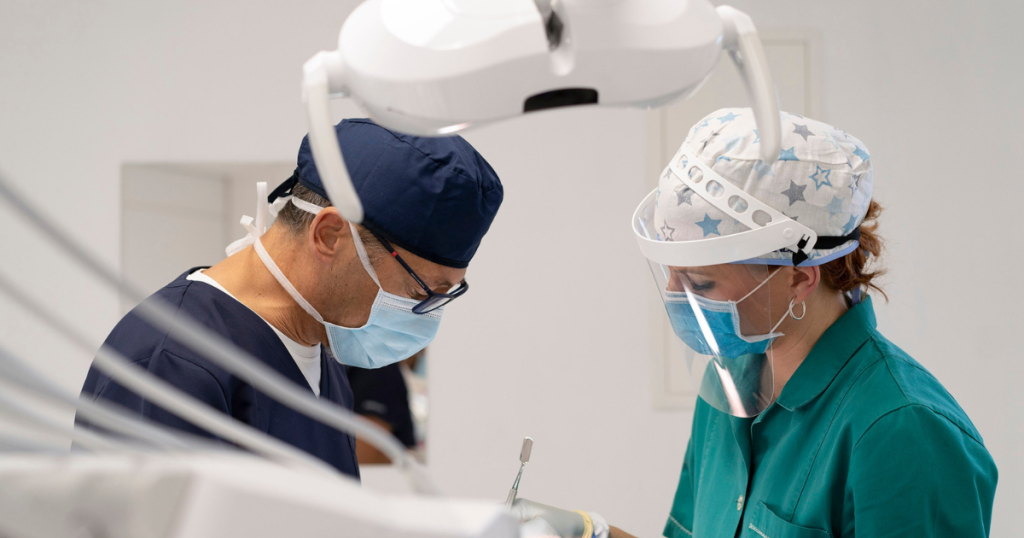
A dentist, on the other hand, is a person who has completed a five-year degree at the School of Dental Medicine and, as well as teeth, also treats the gums, sinuses, jaw joints and lips. As all these tissues make up the stomatognathic system, this is where the Croatian name “stomatolog” comes from.
It is the dentist you will visit regularly to have the general condition of your teeth checked, to have tartar removed or tooth decay treated, and who will advise you on how to look after your teeth properly in line with your diagnosis.
Who is an orthodontist?
An orthodontist is a dentist who has also completed a specialisation in orthodontics, and orthodontics is the field of dentistry that studies the aesthetics of the teeth, jaws and face.
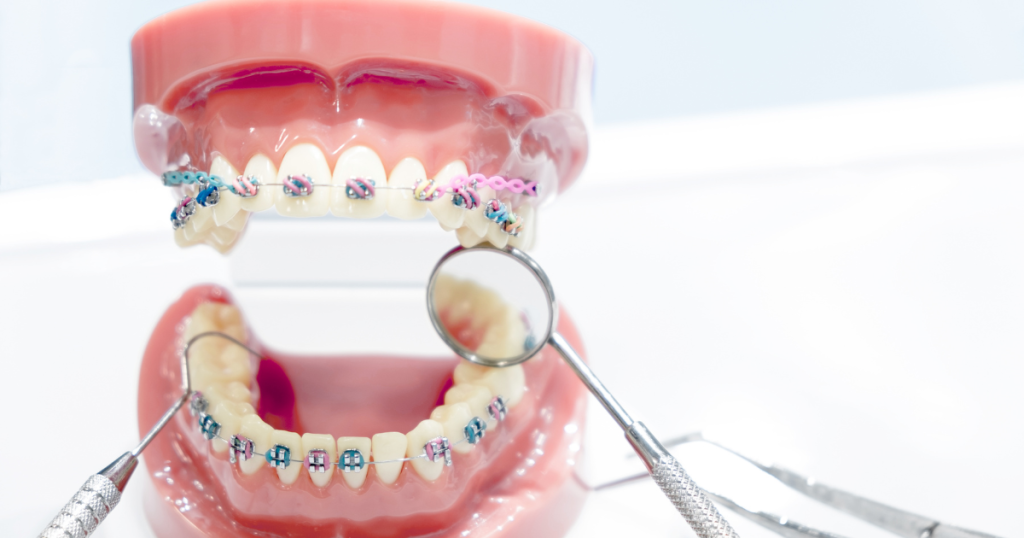
An orthodontist deals with the growth, development and maintenance of the dentofacial complex and studies developmental disorders and all the factors that can cause malocclusions, that is, problems with the bite. Once the orthodontist has made a diagnosis, they will design and fit functional and corrective appliances, in other words braces.
So you will see an orthodontist for specific problems with the position of your teeth, to correct the structure of your face or jaw.
There are many branches of dentistry that deal with specific dental health problems, and just some of them are paediatric dentistry, restorative dentistry and oral surgery.
What matters most for the health of your teeth is to visit your dentist regularly and have preventive check-ups every 6 months, so that you can keep your teeth healthy and deal with potential problems right at the start.
If you happen to need a specialist, your dentist will refer you on so that you can solve your problem as soon as possible. In the meantime, brush and look after your teeth and check when you last saw your dentist.