

Bad breath, also known as halitosis, is one of the most common, yet also one of the most unpleasant problems people face in everyday life. Often hidden but always present, this phenomenon can negatively affect personal relationships, self-confidence and social interactions. Even though halitosis is widespread, many people are ashamed to admit they have a problem with bad breath or to seek help, which is why the problem remains a taboo subject.
In this article we wanted to explore and explain the different aspects of halitosis in depth. We will focus on the various causes that can contribute to bad breath, from oral health conditions to the effects of certain foods and lifestyle habits. We will also look at how to recognise halitosis effectively, using both subjective and objective methods, and review a range of accessible and effective strategies that can help in tackling this unpleasant problem. Our goal is to give you comprehensive information and practical advice that will help you understand and eliminate bad breath, improving your quality of life and your relationships with others.
Causes of bad breath
Bad breath is a complex and unpleasant health problem that arises from a variety of sources, which can be classified into two broad categories: oral and non-oral causes. While most cases are linked to factors inside the mouth, certain systemic health conditions and external factors can also play a significant role.

Understanding the various causes of bad breath is key to managing and treating this problem successfully. By examining oral and non-oral factors in detail, it is possible to address the underlying causes of halitosis, allowing for targeted and effective intervention. Below we take a closer look at specific causes and how they are linked to bad breath, providing useful information and advice for anyone looking for solutions to this health challenge.
Oral causes
Oral hygiene and oral health are key factors in keeping your breath fresh, and neglecting them can lead to various problems that are often direct causes of bad breath. Oral causes that can affect your breath include:
- Poor oral hygiene: Incorrect or insufficient brushing and tongue cleaning can lead to a build-up of bacteria that produce an unpleasant smell.
- Gingivitis and periodontitis: These gum diseases can cause bad breath because gum infections and inflammation allow bacteria to thrive.
- Food particles: Small bits of food left in the mouth can decompose and cause an unpleasant smell.
- Dry mouth (xerostomia): Reduced saliva production can limit the mouth’s ability to clean itself naturally, which leads to an unpleasant smell.
- Oral infections: Infections such as tooth decay, abscesses or oral herpes can contribute to bad breath.
Non-oral causes

Some external and internal factors can be directly linked to bad breath, and diet, lifestyle habits and a person’s state of health play key roles in this context. Each of these factors requires a specific approach to diagnosing and treating halitosis, potentially including dietary adjustments, lifestyle changes or medical treatment. Non-oral causes of bad breath include:
- Diet: Foods such as garlic, onions and certain spicy dishes can cause short-term bad breath.
- Smoking and drinking alcohol: Both can dry out the mouth and leave a residual smell that contributes to bad breath.
- Health conditions: Diabetes, liver disease, kidney disease and some metabolic disorders can cause specific types of bad breath.
- Medications: Some medications can cause dry mouth or release chemicals that can affect your breath.
How to recognise and diagnose bad breath
Recognising bad breath can be a challenge, since many people are not aware of their own breath. A person can often suffer from halitosis without realising it, which can lead to social discomfort and insecurity. One way to check for bad breath is to ask a close, trusted person who can give you honest feedback. Another self-check is the well-known technique of licking your wrist, letting the saliva dry and then smelling the area to detect any unpleasant odour. Although these methods are useful for a basic assessment, they are not always reliable for a detailed diagnosis. If you suspect you have a problem with bad breath, see your dentist, who will try to find the cause and refer you for further tests if necessary.

Strategies for tackling bad breath
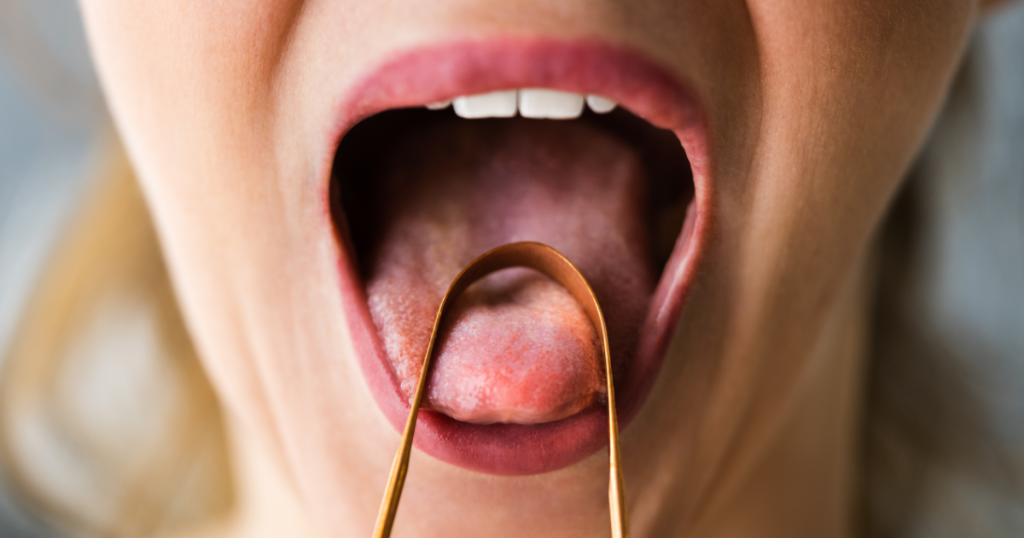
Strategies for tackling bad breath are varied and tailored to the specific causes. The key to successful treatment lies in proper oral hygiene. Regular and thorough brushing, at least twice a day with a fluoride toothpaste, together with interdental brushes, can remove food and plaque that build up between the teeth and in hard-to-reach places. Cleaning the tongue is also important and often neglected, as it removes bacteria, fungi and dead cells that accumulate on the surface of the tongue and cause an unpleasant smell.

Hydration is also vital for combating bad breath. Drinking enough water throughout the day helps keep the mouth moist and stimulates the production of saliva, the mouth’s natural cleanser that neutralises some of the bacteria responsible for bad breath. Regular visits to the dentist are essential, not only for professional cleaning that can remove stubborn plaque and tartar, but also for the early detection and treatment of oral problems such as tooth decay, gingivitis or periodontitis, which can be causes of bad breath.
In addition to basic oral hygiene habits, it is important to consider your eating habits too. Avoiding strong-smelling foods such as onions and garlic, and cutting down on caffeine and alcohol, can help reduce bad breath. Smokers are advised to quit, as tobacco contributes significantly to dry mouth and bad breath.
Bad breath is a complex problem that can be caused by various factors, from oral health conditions to eating and lifestyle habits. Despite how unpleasant it is and its potential impact on quality of life, there are a number of effective strategies that can help combat this problem. The foundation is thorough oral hygiene, regular dental check-ups and adjusting your eating habits. With proper prevention and treatment, it is possible to significantly reduce or even eliminate bad breath, allowing people to live with greater self-confidence and social freedom. Approaching this problem with understanding and proper care can transform how people feel in their interactions with others and improve their overall wellbeing.